
From Plastic to Paper: CircSyst’s New Packaging Solutions for a Circular Food Industry


 Link Copied!
Article written by Dr. Kata KONSTANTIN, MGFÜ
New Sustainable Packaging Solutions in the CircSyst Project
The development of packaging materials plays a key role in the transition to a circular economy, especially in the food industry, where packaging serves food safety, logistics, and marketing purposes at the same time. One of the key ambitions of the CircSyst project is to develop packaging solutions that reduce the use of hard-to-recycle plastics while preserving product quality and shelf life.
These developments are linked to the activities of Demonstrator 9, which focuses specifically on making food packaging more sustainable. The pilot is being implemented as part of Task 4.3, “Eco-Design Solutions for Food Packaging Reducing Non-Recyclable Polymers.” The task is led by Ugrinpack, with the participation of the Hungarian Economic Development Agency (MGFÜ), Innoskart, AIJU, UPV, and MASOUTIS.
As part of this work, the packaging of at least 15 different food products is being assessed and redesigned according to the eco-design approach. This means that the full life cycle of the packaging is taken into account during the design process, from raw material selection to recyclability and waste management. One of the main objectives of the developments is to reduce the amount of plastic used in packaging by at least 20%.
During the project, Ugrinpack experts examined several different food packaging solutions, and succeeded in developing new paper-based alternatives in three product categories: cheese trays, sliced meat packaging, and asparagus packaging.
Cheese trays: replacing polystyrene with a paper-based solution
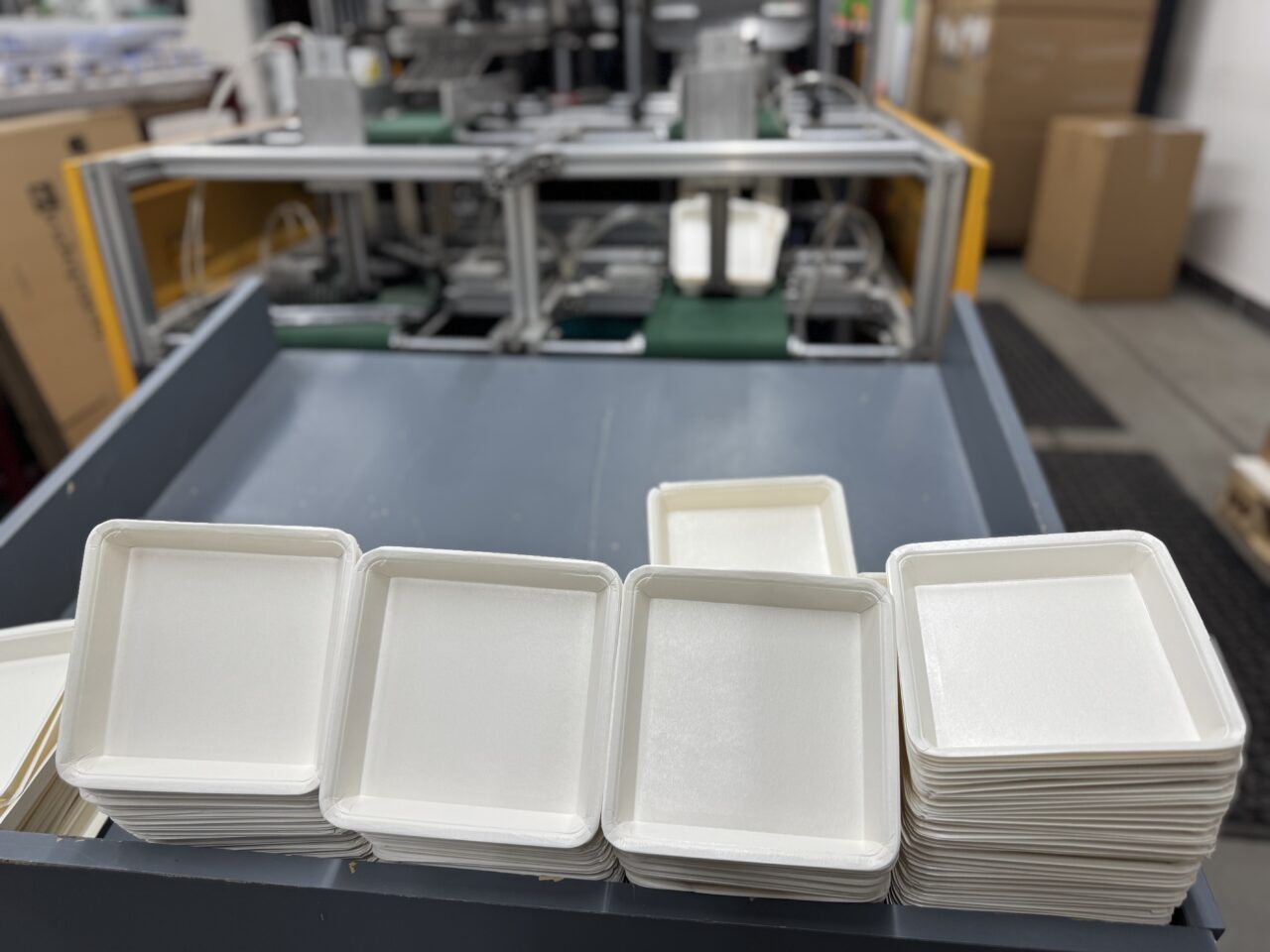
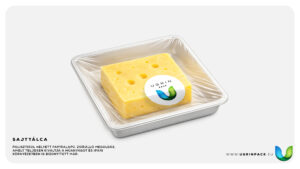
One of the most significant developments was achieved in cheese tray packaging. The previously widely used polystyrene foam trays were replaced by a new paper-based alternative coated with a water-based dispersion lacquer. This coating ensures grease resistance and durability while preserving the advantages of paper as a base material.
The new packaging is bio-based, recyclable, and biodegradable, representing an important step towards replacing conventional plastic packaging. Its implementation began on 1 June 2025, and since then more than 500,000 units have already been used in a real industrial environment. As part of the development, the previous 5.2-gram polystyrene tray was replaced by a 9-gram paper tray, completely eliminating the use of polystyrene.
Sliced meat packaging: without a plastic layer
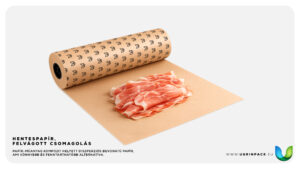
The second area of development focused on the packaging of sliced meats, such as ham and other processed meat products. The traditionally used composite packaging material made of paper and polyethylene (PE) layers was replaced by a new paper-based solution coated with a water-based dispersion lacquer.
The new packaging not only makes it possible to eliminate the plastic layer, but also contributes to reducing packaging weight. While the previous packaging weighed 37 grams per unit, the new solution reduced this to 23 grams, representing nearly a 38% reduction in material use. Its bio-based, recyclable, and biodegradable properties contribute to the wider adoption of more sustainable packaging practices in the food industry.
Asparagus packaging: paper instead of plastic
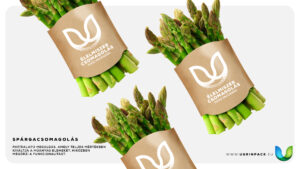
The third development focused on the packaging of fresh vegetables, specifically asparagus. The previous solution consisted of a combination of paper and plastic, in which the plastic component played an important role in fixing and protecting the product.
Within the CircSyst project, a new paper-based alternative was developed, also made of paper coated with a water-based dispersion lacquer. The new packaging replaces the previous plastic component with a longer paper-based structure, thus completely eliminating the use of polyethylene. The total packaging weight remained unchanged at 33 grams, but the complete replacement of the plastic component significantly improves the environmental performance of the packaging. The implementation of the solution began on 1 May 2025, and it is currently in the final evaluation phase.
The redesign of packaging is a key step in achieving a circular economy. Within the CircSyst project, Ugrinpack continued the development and testing of innovative food packaging materials during Phase 3 of the project.
Rethinking hamburger packaging
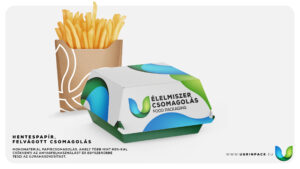
One of the developments involved redesigning hamburger packaging used in fast-food meals. The previous solution consisted of two different materials, paper and polyethylene (PE), which made recycling more difficult.
The new packaging is a paper-based solution with a dispersion coating and a monomaterial structure. This means that the packaging is made from a single main material, making waste management and recycling easier. It also results in significant material savings: the packaging weight was reduced from 55 grams to 22 grams, representing a reduction of more than 60%.
More sustainable packaging for dry pasta products
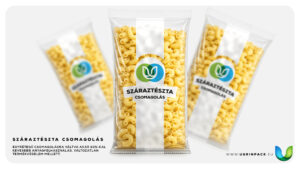
Another area of development was the redesign of packaging for dry pasta products. The previous packaging was made of a two-layer bio-polypropylene (bioPP) film, with the label placed between the two layers.
The new solution uses single-layer bioPP packaging, with the printing appearing on the outer surface of the pack. This structural simplification significantly reduces material use: the amount of packaging material was reduced by around 50%, while product protection and shelf life remained unchanged.
Beverage packaging without PVC
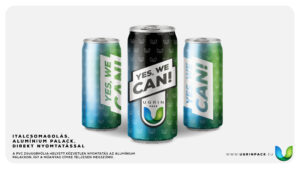
The project also examined beverage packaging solutions. The previous packaging consisted of an aluminium bottle and a PVC-based shrink-sleeve label covering the bottle. PVC is a chlorine-containing plastic that is difficult to recycle and therefore unfavourable from a waste management perspective.
In the new solution, the graphic elements are printed directly onto the aluminium bottle, making the plastic label completely unnecessary. This change entirely eliminates the use of PVC in this packaging component and makes material handling during recycling easier.
Simpler butter packaging
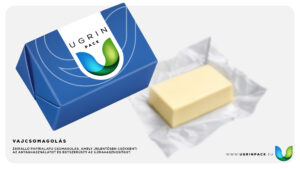
The developments also extended to the packaging of an artisanal butter product. The previous packaging used a multilayer material structure, such as combinations of aluminium and plastic or paper and plastic, which made recycling more difficult.
The new solution is based on grease-resistant paper packaging with a dispersion coating and a monomaterial structure. The new packaging reduced material use from 85 grams to 50 grams, representing a saving of more than 40%, while maintaining the same functionality.
The importance of packaging redesign
These examples clearly demonstrate that significant environmental benefits can be achieved through the conscious redesign of packaging. Reducing material use, applying monomaterial structures, and replacing problematic plastics all contribute to lowering the environmental impact of packaging.
The aim of the CircSyst project is to make such developments more widely applicable and to support the establishment of more sustainable, circular packaging systems in the food industry.
Innovation in support of the circular economy
These developments show that industrial innovation and research and development cooperation are capable of delivering real, marketable solutions for replacing plastic packaging. The new packaging materials developed by Ugrinpack not only help reduce plastic use, but also support the objectives of the circular economy through their recyclable and biodegradable properties.
One of the key ambitions of the CircSyst project is to ensure that these developments do not remain at the experimental stage, but become solutions that can also be applied in real industrial environments. For this reason, the packaging innovations developed during the project have already undergone practical testing and have proven capable of meeting the strict requirements of food packaging.
The project results contribute to the wider uptake of sustainable packaging solutions and support the transition of European industry towards a circular economy model.