
CircSyst’s 2nd replication workshop and study visit on plastics and packaging solutions


 Link Copied!
Article written by Cristina Sanz Rutherford, Policy and Project Officer at Eurada
On 21 May 2026, CircSyst held its 2nd replication workshop and study visit in Leányvár, Hungary, back-to-back with the project’s 4th General Assembly in Budapest. Co-organised by EURADA and MGFU and hosted in collaboration with UgrinPack Ltd., this event marked the second instalment in a series of replication-focused workshops exploring the transferability of CircSyst’s Circular Systemic Solutions (CSS) across regions and sectors.
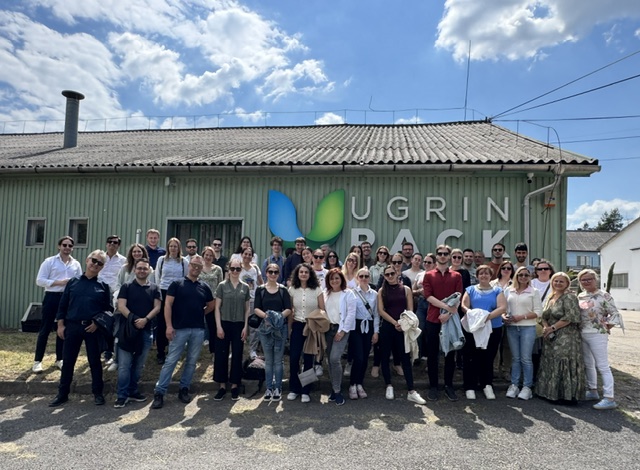
As CircSyst advances its nine pilot demonstrators, ensuring their scalability and adaptability beyond their local contexts remains a core part of the process. This workshop focused on the plastics and packaging value chain, bringing together project partners, members of the CircSyst Community of Practice (CoP), and external stakeholders, including representatives of Hungary’s Ministry of National Economy and students from Corvinus University, reflecting the multi-stakeholder collaboration at the heart of CircSyst’s approach.
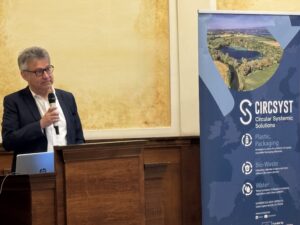
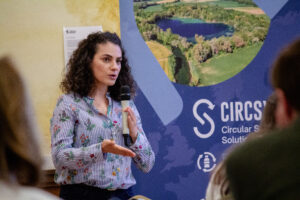
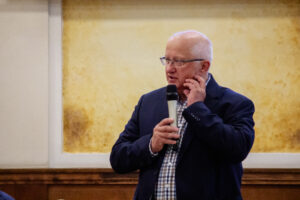
The day began with an opening by Joaquín Vilaplana (AIJU), who introduced the project, followed by an overview of the main challenges facing the packaging and plastics value chain, presented by Eszter Balogh Tanka (MGFU). After briefly showcasing the CSSs developed in the project, Cristina Sanz (EURADA) emphasised the importance of ensuring these solutions do not remain local but have the potential to replicate and scale. She reminded participants that this was the very purpose of the workshop: to identify enablers, barriers, and adaptation needs for replicating circular plastics and packaging solutions elsewhere.
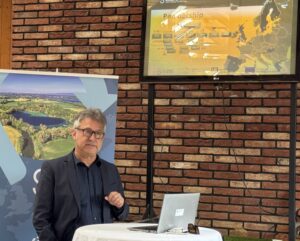
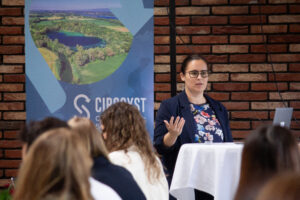
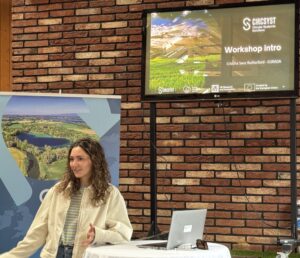
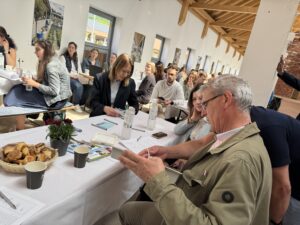
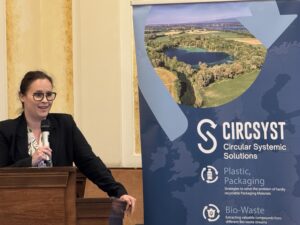
This set the stage for presentations from the leaders of three CircSyst demonstrators working on transformative approaches in this value chain. Ana Ibañez (AIJU) presented Demonstrator 7 (Valencian Community, Spain), showcasing how their solution tackles the mechanical recycling of multi-layered PET (mPET), a notoriously difficult material to process. The team shared insights into their strategy—combining homogenisation, separation, and compounding with eco-efficient compatibilisers—to produce high-quality recycled plastic, while also highlighting the lack of technical knowledge in Spain, where most mPET is currently incinerated due to unfamiliarity with recycling mechanisms. Giannis Kyriakidis (CERTH) then presented Demonstrator 8 (Thessaloniki, Greece), a circular solution for cost-effective plastics and food packaging segregation involving citizens and raising awareness, developed in partnership with MASOYTIS, Greece’s largest food retailer. A key hurdle highlighted was the low public engagement in recycling, rooted in cultural perceptions and a lack of perceived need for individual action. Finally, Andras Ugrin (UgrinPack Ltd.) showcased Demonstrator 9 (East and Central Hungary), which focuses on replacing traditional plastics with sustainable alternatives, such as mono-material plastics, biodegradable mycelium, and paper-based options. Participants noted funding constraints and the need to incentivise companies to invest in machinery compatible with sustainable materials as major barriers.
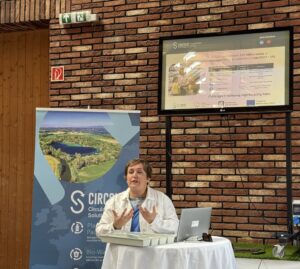
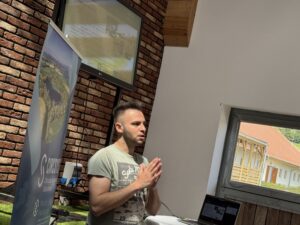
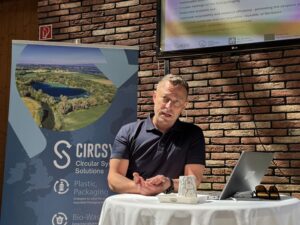
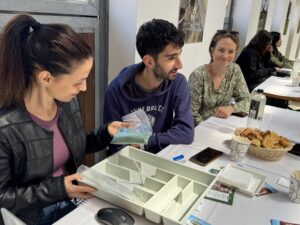
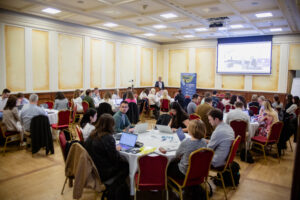
Following the demonstrator presentations, participants engaged in an interactive peer-exchange session, working in groups to reflect on:
- Which aspects of the demonstrators could be replicated elsewhere?
- What adaptations would be necessary to fit local contexts?
- What barriers might hinder uptake?
- What context-specific opportunities exist that support replication?
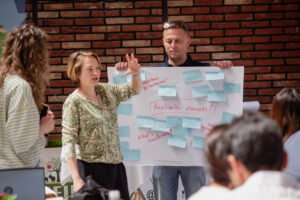
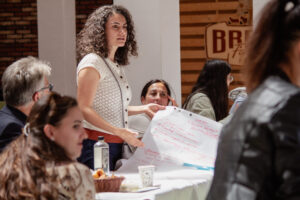
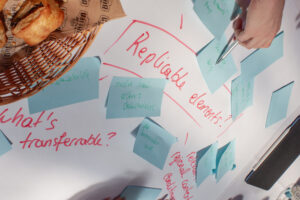
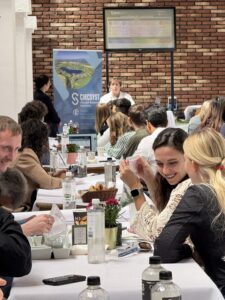
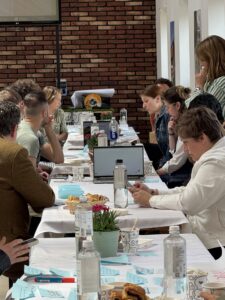
The discussions revealed that while technical barriers like material incompatibility are challenging but not insurmountable, regulatory hurdles—such as inconsistent standards across EU regions and bureaucratic burdens from multiple certification schemes—create significant compliance complexities. At the same time, cultural and economic differences play a critical role, from the low citizen engagement in Greece to the hesitancy among Hungarian businesses to adopt new machinery without a clear return on investment, underscoring that one-size-fits-all solutions are unlikely to succeed.
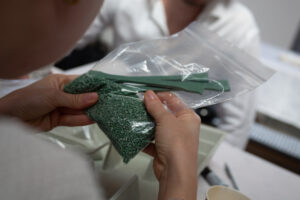
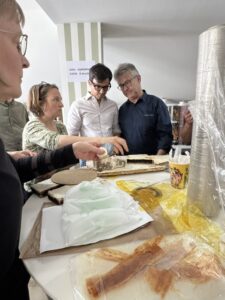
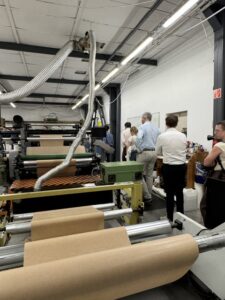
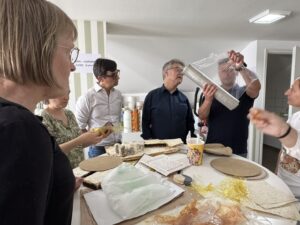
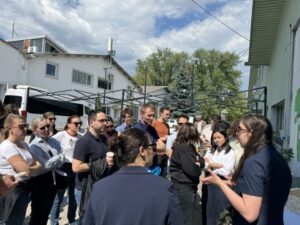
The workshop was complemented by an insightful study visit to UgrinPack’s facilities in Leányvár, where participants witnessed firsthand the eco-designed packaging solutions. The visit reinforced the project’s commitment to bridging research and practice, demonstrating how a family-run enterprise like UgrinPack is pioneering the commercialisation of sustainable food packaging.
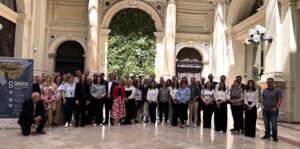
The workshop was held in conjunction with CircSyst’s 4th General Assembly (GeA), where partners reconvened to assess progress since the mid-term review. With demonstrators now well-established, the consortium is entering an exciting phase—one focused on concrete results and tested practices. Key takeaways from the GeA included that the project is on track, with strong synergy among partners, and that market-ready solutions are emerging.
Stay tuned as we announce the final replication workshop, this time focusing on water solutions!